



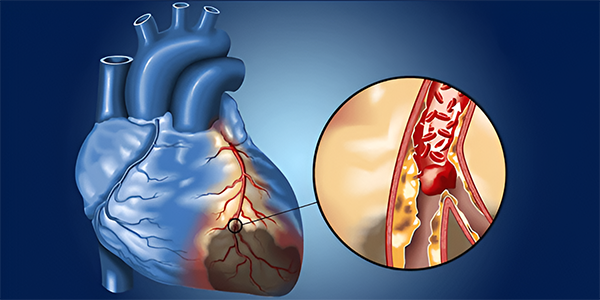
Heart Blockage
Heart blockage, medically known as coronary artery disease, occurs when the blood vessels supplying oxygen-rich blood to the heart become narrowed or blocked. This condition is mainly caused by the buildup of fatty deposits, cholesterol, and other substances, forming plaques on the artery walls. Over time, these plaques restrict blood flow, making it difficult for the heart to function properly.
Common symptoms of heart blockage include chest pain (angina), shortness of breath, fatigue, dizziness, and in severe cases, heart attack. However, some individuals may not experience noticeable symptoms until the condition becomes critical. Risk factors include unhealthy diet, lack of physical activity, smoking, obesity, high blood pressure, diabetes, and stress.
Early diagnosis and treatment are essential to prevent complications. Doctors may recommend lifestyle changes such as a balanced diet, regular exercise, quitting smoking, and stress management. Medications may also be prescribed to control cholesterol levels and blood pressure. In advanced cases, medical procedures like angioplasty or bypass surgery may be required to restore normal blood flow.