



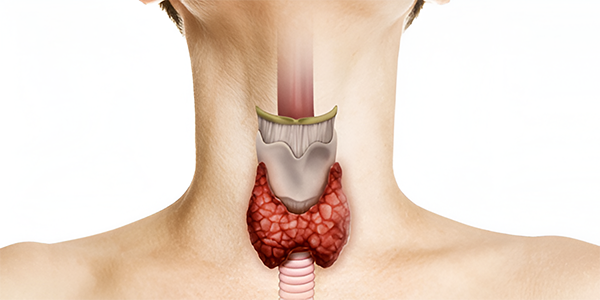
Thyroid
Thyroid disorders refer to conditions that affect the thyroid gland, a small butterfly-shaped gland located in the front of the neck. This gland plays a crucial role in regulating metabolism by producing hormones that control how the body uses energy. The most common thyroid problems include hypothyroidism (underactive thyroid) and hyperthyroidism (overactive thyroid).
In hypothyroidism, the gland produces fewer hormones, leading to symptoms such as fatigue, weight gain, dry skin, hair fall, and sensitivity to cold. On the other hand, hyperthyroidism results in excessive hormone production, causing weight loss, rapid heartbeat, anxiety, sweating, and irritability. Thyroid disorders can occur due to autoimmune diseases, iodine imbalance, genetic factors, or hormonal changes.
Diagnosis is usually done through blood tests that measure hormone levels. Treatment depends on the type and severity of the condition and may include medications, hormone therapy, or, in some cases, surgery.
Maintaining a healthy lifestyle, balanced diet, and regular medical check-ups can help manage thyroid health effectively. Early detection and proper treatment are important to prevent complications and maintain overall well-being.